Where to Eat Near Loggia Della Baia: A Neighborhood Dining Guide for Every Budget
Eating well near the bay is less about discovering a secret and more about reading the street correctly. The trattoria with paper tablecloths and a menu in one language is usually a safer bet than the one with photographs of every dish. What follows is a working map of the neighbourhood: where to spend little, where to spend properly, and how to tell the difference before you sit down.
Three Zones, Three Budgets
Almost every dining decision here comes down to which of three zones you choose. Get that right and the rest is detail.
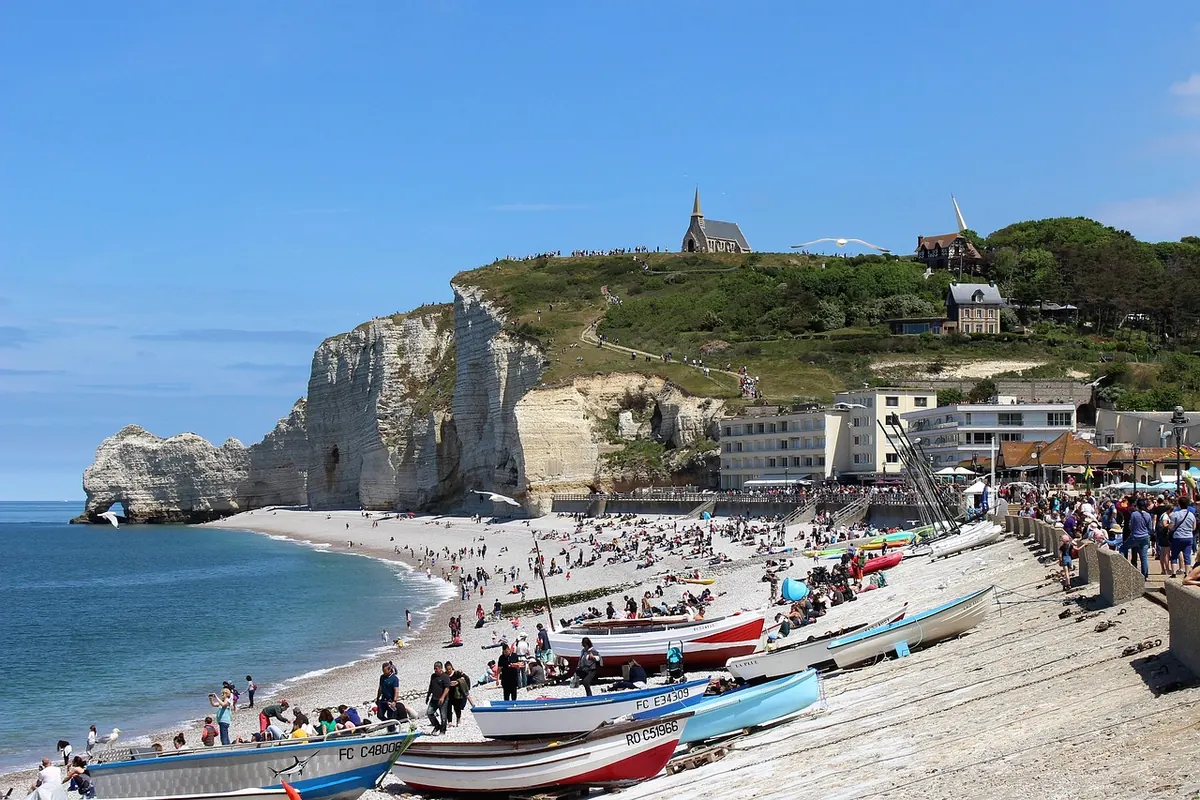
The waterfront. These tables pay the highest rent in town, and you are paying part of it. That is not a reason to avoid the seafront — sometimes you want the view and the long lunch that goes with it. Just sit down knowing what you are buying. Order a plate of the day and a glass of something local rather than working through the full fish menu, and the bill stays reasonable.
One or two streets back. Rent falls, kitchens get smaller, prices follow. This is where most of the good everyday eating happens. Look for a handwritten menu, a short list of dishes, and a few tables of people who clearly live nearby rather than arrived by boat.
Out of town. Beach clubs along the water, farm kitchens in the hills, small villages up the road. These are dinner destinations, not lunch stops, and they need a car, a taxi or the last bus. Check the return journey before you commit to a late table — a wonderful meal is quickly soured by a thirty-minute walk back in the dark.
A rough rule that holds almost everywhere: walk five minutes inland from the water and the price of the same plate falls noticeably.
Quick Lunches: Under an Hour, Under Budget
Midday is where budgets are won or lost. A sit-down lunch of three courses and wine can cost as much as dinner; a bakery counter and a bench can cost less than a coffee back home.
Bakeries and slice counters
Pizza al taglio is sold by weight, so ask for un etto or due etti — one or two hundred grams — and you will get a generous, cheap lunch. Focaccia, stuffed rolls and whatever the local baked speciality happens to be are all fair game.
Bars that cook at midday
Plenty of cafés serve a fixed lunch — usually a first course, water and coffee — for a flat price. Ask before you sit down; some bars are coffee-only until evening and will point you elsewhere, which is a useful conversation in itself.
Markets and picnic logic
Bread, cheese, tomatoes, olives, fruit. A bench with a view beats a rushed table, and you will have money left for dinner.
- Panificio or bakery counter: pizza by weight, focaccia, stuffed bread. Fastest and cheapest.
- Bar with a lunch menu: one plate, a drink, coffee. Ask what the fixed lunch includes.
- Tavola calda or rosticceria: hot counter, point at what you want, pay by weight or by the piece.
- Market stalls: cured meat, cheese, fruit, bread. The best-value meal in the area, no contest.
- Beach club bar: salads and toasted sandwiches, priced for people in swimwear. Convenient, not cheap.
Timing matters. Arrive around 12:30; by 13:15 the good counters have a queue and the tables are gone.
Aperitivo: The Cheapest Good Hour
Between roughly 18:30 and 20:00, a drink comes with food. In some bars that means olives and crisps; in others it is a proper buffet, sometimes billed as apericena — enough to call it dinner. Ask what is included before ordering, because the difference between the two is significant.
Order a local white, a prosecco or a spritz, take a table outside, and watch the town change shift. It is also the ideal first-night move: you are tired, you do not want a three-course production, and a generous aperitivo solves the problem for very little.
Everyday Dinners: Trattorias, Osterias, Pizzerias
The signals are consistent. A handwritten menu. Six or eight dishes rather than thirty. No photographs. Bread that tastes like it came from a local oven. If the menu is laminated and translated into five languages, you are paying for the laminate.
Ask what the kitchen recommends — cosa consigliate? — and you will usually get an honest answer, often the cheapest thing on the list. House wine in a half-litre carafe is almost always the value play, and in a family-run place it is often better than the bottles above it.
On seafood, Italian menus are required to state whether fish was frozen, so a quick look tells you what you are paying for. For pizza, expect evenings only, a wood oven and one pizza per person; ordering both a pizza and a pasta is unusual and will get you a polite look.
Book Friday and Saturday by phone in the morning. If you want a calmer room, take the first sitting at 19:30 rather than the second at 21:00, when the pace picks up and the kitchen starts to hurry.
Splashing Out: Special Occasion Tables
One dinner a trip can be the expensive one. Book several days ahead, mention if it is a birthday or anniversary, and ask about table position when you reserve — the tables by the window go first and are not always offered unless you ask.
Tasting menus take two to three hours. Do not book one before a boat, a train or a taxi you cannot move. A wine pairing is convenient; a single bottle chosen from a list you do not know is not always cheaper, so ask for guidance.
The professional tip: lunch is often the same kitchen at a lower price. If the splurge matters more than the hour, book the midday sitting instead and spend the difference on the next three dinners. And if you want a sense of occasion without the ceremony, a long seafood lunch at a beach club does the job nicely.
The Practical Bits
Small details that make the difference between a smooth evening and a puzzling bill:
- Cover and service charges. Coperto and servizio are normal, not a trick. They are usually printed on the menu.
- Water. Bottled is standard. Ask for acqua del rubinetto if you would rather not pay, and accept a polite no.
- Coffee. Standing at the bar costs less than sitting at a table. The coffee is identical.
- Kitchen hours. Lunch runs roughly 12:30 to 14:30 and dinner from 19:30. Arriving at 15:00 hungry is a planning error, not a restaurant failure.
- Tipping. Not expected. Rounding up or leaving a few euros is plenty.
- Children. Ask for a half portion — mezza porzione — and most kitchens will oblige.
- Dietary needs. Senza glutine is widely understood. For a serious allergy, speak to the kitchen directly rather than relying on a menu note, and take medical advice before you travel if you are unsure.
- Payment. Cards are widely accepted; keep a little cash for markets and small bars.
A Three-Day Plan That Won't Blow the Budget
If you would rather not think about it twice, borrow this shape and adjust as you go.
- First night: aperitivo near the water, then pizza one street back. Low effort, low cost, and you get your bearings.
- Second day: bakery slice and a market picnic at lunch. Dinner at a trattoria in the lanes, house wine, no dessert.
- Third day: the splurge, taken at lunch rather than dinner. Something simple and early in the evening.
- Keep one evening free. The place you walked past twice and liked the look of is usually the right answer.
One last thing worth saying: the best table of your stay is rarely the one you researched hardest. It is the one where the owner remembers what you drank, the fish came in that morning, and nobody rushes you out. Walk the lanes once, note two or three places that look right, and book by phone. That is the whole method.
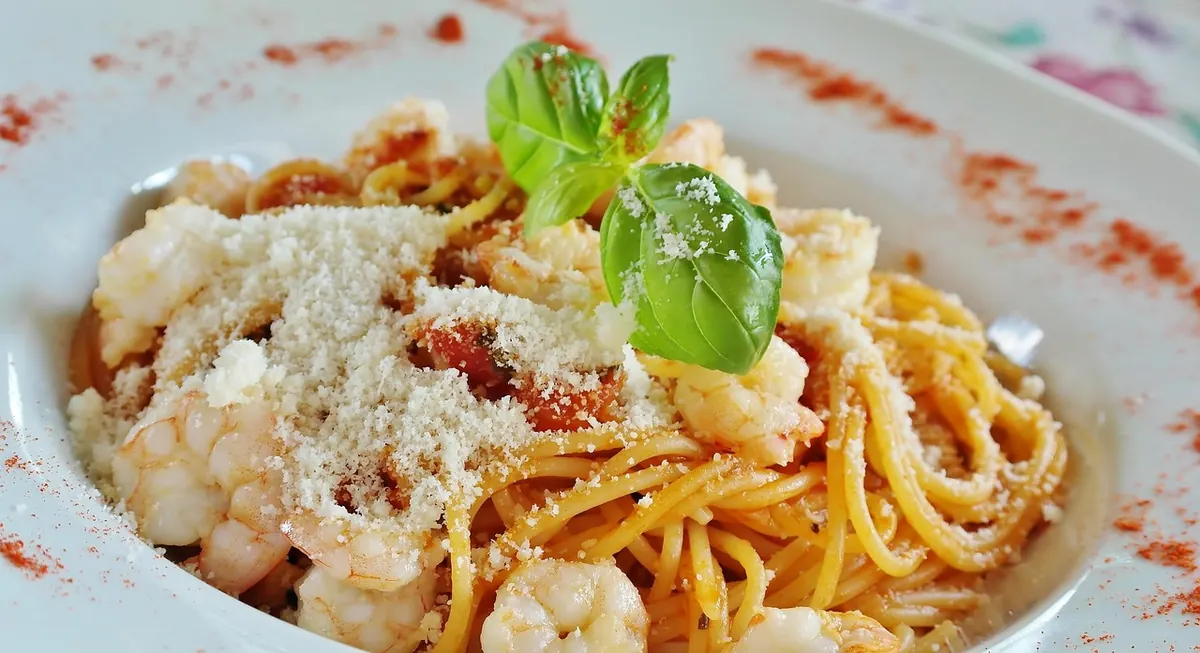
Photo: RitaE / Pixabay