A Checklist for a Perfect Sunset Dinner on the Bay
You can book a table for sunset and still miss it. The reservation is only one line in a longer piece of timing: the light, the kitchen's rhythm, the table you are given, and the way the air cools the moment the sun drops. None of it is complicated, but all of it rewards a little planning. What follows is the checklist worth running through before a dinner at the water's edge — the things to settle days ahead, and the handful to confirm on the day itself.
Start With the Sunset, Then Work Backwards
Find the exact sunset time for your date before you book anything. It shifts quickly through the year, and the difference between early spring and midsummer is enough to turn a well-planned dinner into a meal eaten in the dark. Two minutes with a calendar saves an entire evening.
Aim to be seated roughly forty-five minutes to an hour before the sun goes down. That gives you daylight for the aperitif, low gold light for the first course, and the actual sunset arriving while you are settled rather than circling for parking. If the only table available is after sunset, take it — the afterglow often outlasts the sun by half an hour and is frequently the better half of the show — but know that you are booking the second act.
Build a buffer into the journey. Coastal roads slow down at that hour, car parks fill, and a ten-minute walk along a promenade takes twenty-five when the light is doing something worth stopping for. Arriving flustered is the one thing that reliably spoils a table with a view.
Choosing between two sittings
Take the earlier one. A table at seven when sunset comes at eight beats a table at nine when sunset came at eight. You want to be eating, not arriving, when the light turns.
Choosing the Right Table
Not every table with a sea view delivers the same evening. The front row gets the unobstructed horizon, but it also gets the breeze, the glare and occasionally the spray. One row back, slightly raised, is often the more comfortable seat once the sun is low, because you still see the water without spending the last hour squinting into it.
Ask when you book rather than when you arrive. A good restaurant will tell you honestly which tables face the water, which sit under cover, and roughly what time the sun leaves the terrace — in some seasons it disappears behind a headland or a neighbouring roof long before official sunset, and that is worth knowing in advance.
Questions worth asking on the phone
- Which tables face the water, and are any of them sheltered if the wind picks up?
- What time does the sun actually leave the terrace at this time of year?
- Do you hold tables for a set period, and is there a second sitting we should know about?
- Is there a covered or indoor alternative if the weather changes?
- Can we request a specific table, and how early should we arrive to have a chance at it?
One more thing: ask to be seated away from the service door or the route between kitchen and floor. On a busy evening that traffic runs right past your shoulder, and it is the fastest way to break the calm you came for.
Pacing the Meal to the Light
The kitchen cooks to its own clock; the sky keeps another. Your job is to bring the two together, and the easiest way is to say so out loud when you order. A simple line — "we would like this to take about two hours, and we are happy to wait between courses" — is understood everywhere and changes the whole tempo of the meal.
Keep the early courses light and unfussy. Cold seafood, a salad, something that does not need to be carved or debated while the best light of the day is happening in front of you. Save the richer, slower dishes for after the sun has gone, when the candles come out and the evening cools.
A structure that works
- Aperitif and a small plate, in full daylight. Order the bottle now, not later — service gets busy the moment everyone wants a photograph of the horizon.
- A cold first course as the light turns gold. This is the twenty minutes people remember, so keep your attention on it rather than on the menu.
- The main course across sunset itself. Choose something that eats easily in low light and does not demand two hands and full concentration.
- Dessert in the afterglow. The colour often peaks here, and the terrace begins to empty, which is when the evening finally feels like yours.
- Coffee when the lights come on. The moment the string lights or candles take over is the natural end of the performance.
Order water without being asked, and if you are driving, settle that decision before the first glass rather than after the last. If the wine list is long, ask for something crisp and cold for the daylight hours and keep the more serious bottle for the main course — it will have time to open while you eat.
Details Worth Settling Before You Leave
Small preparations do more for a sunset dinner than any single grand gesture. The temperature can drop noticeably within half an hour of the sun disappearing, especially with a sea breeze, and guests who planned for a warm afternoon spend the last course with their arms crossed.
- A layer. A light jacket, a wrap, a scarf — something you can put on without leaving the table.
- Sunglasses and a hat. The low sun sits directly in your line of sight for the final half hour.
- Insect repellent if the evening is still and the terrace is close to the water.
- A charged phone or a small camera, plus an agreement at the table to take a few photographs and then put them away.
- Your journey home sorted. If taxis are scarce in the area, book one before dessert rather than at midnight.
- A confirmation call the day before if you have requested a particular table or are marking an occasion.
Mention a birthday or anniversary only if you want the restaurant to acknowledge it. Sometimes a quiet table and no fuss is the better gift.
When the Weather Has Other Plans
A little cloud usually improves things: it gives the sky texture and colour that a clear evening cannot. Wind and rain are the reasons to change course, not cloud cover. If the forecast is doubtful, call in the afternoon and ask what the covered seating looks like, and whether you can move the booking indoors without losing the evening.
Have a fallback you actually like. A table inside with a view of the water, followed by a walk along the front afterwards, is a perfectly good version of the same night — often a warmer one.
The Short Version, for the Day Itself
Check the sunset time. Leave twenty minutes earlier than you think you need to. Ask for a table one row back from the rail, away from the service door. Order the wine before the light changes, tell your server how long you want the meal to take, and keep a layer on the back of your chair. Then stop managing the evening and let it happen. The sun keeps its own schedule, and the whole point of a table on the bay is that, for once, yours can wait.
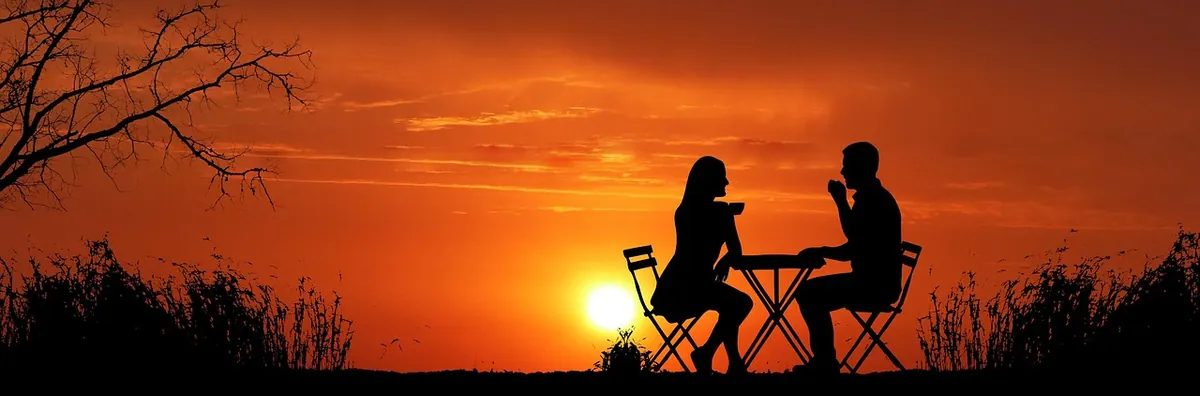
Photo: rauschenberger / Pixabay