Should You Visit in May or September? A Seasonal Comparison for Bay Travelers
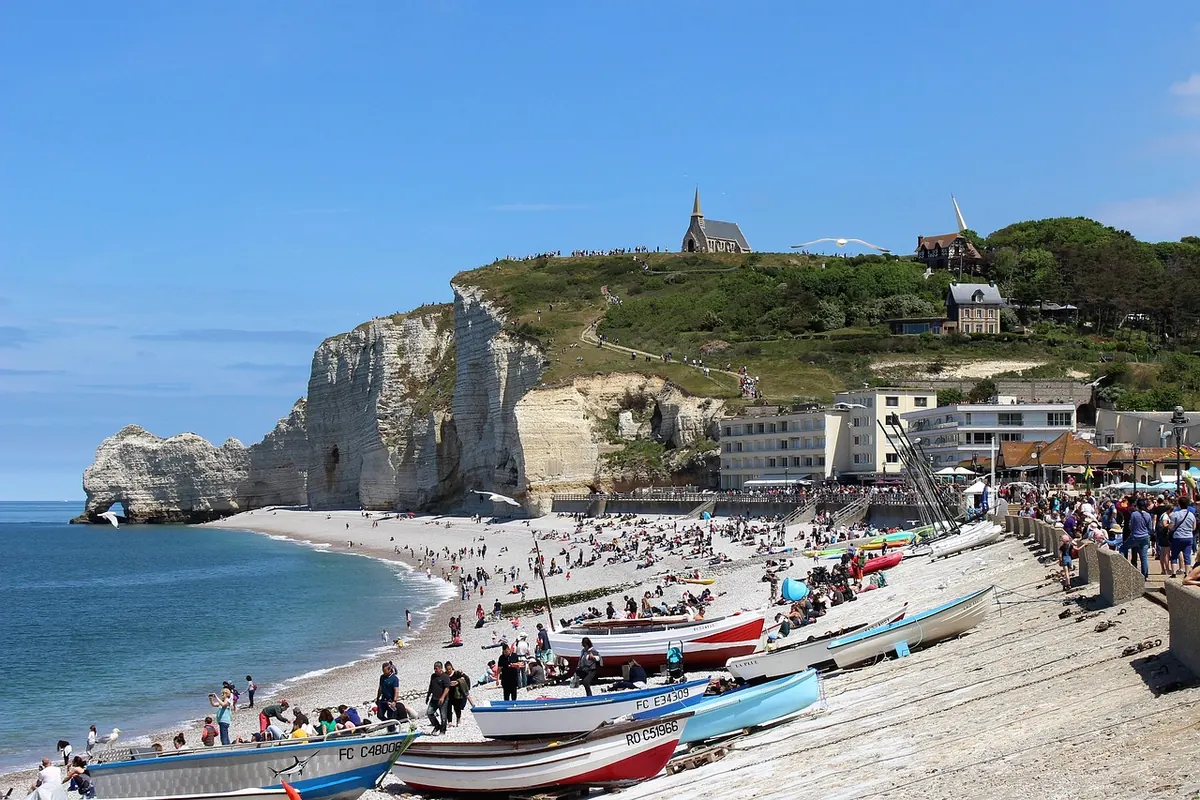
Ask anyone who has spent a proper season on this coast and they will tell you the same thing: the two months that quietly beat July and August are May and September. Both sit outside the crush. Both let you eat dinner without a reservation made three days earlier. And both give you a bay that looks a little more like itself. Yet they are not interchangeable, and the difference shows up in small, practical ways — the temperature of the water, the hour the sun disappears, whether the boat to the next cove is running on Tuesday, and whether the village is waking up or winding down.
Here is an honest comparison, drawn from the rhythms of the bay rather than from a brochure.
Weather: A Warming Sea Versus a Cooling Sky
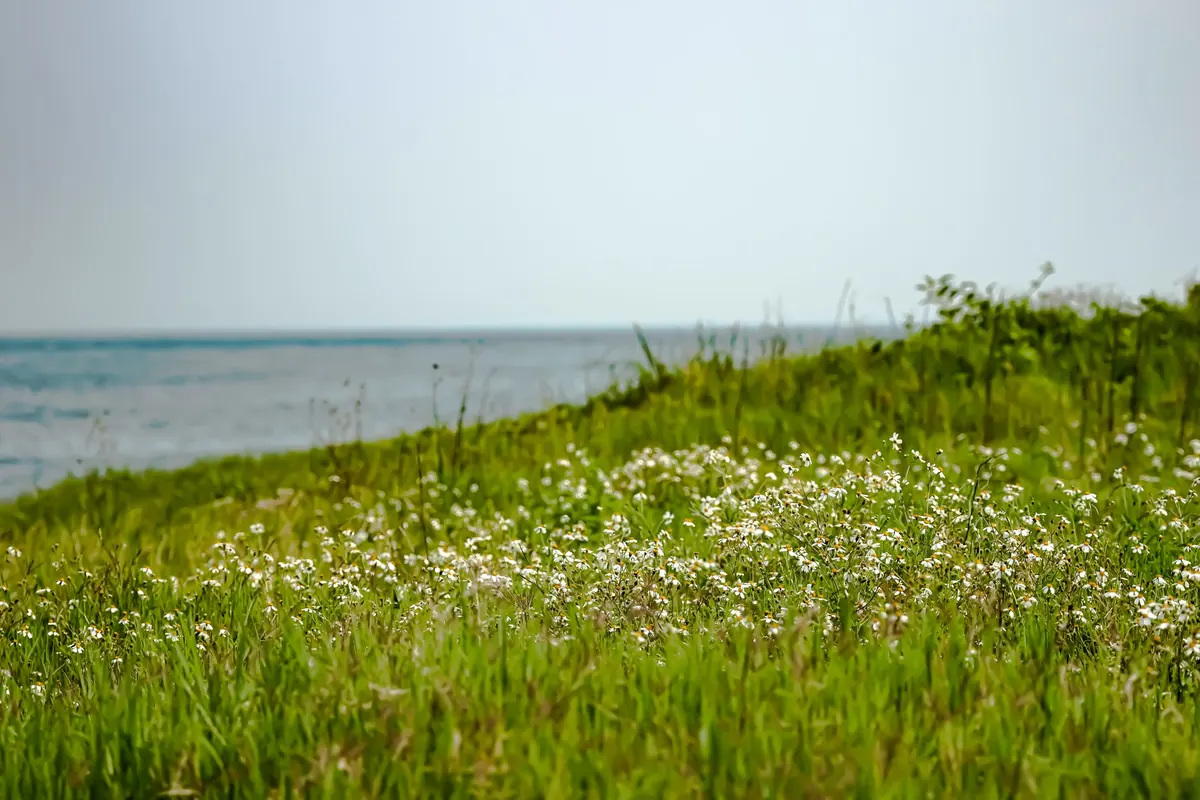
May is a month of momentum. The air heats up quickly, the terraces fill with lunch tables by the second week, and the light lasts absurdly long — late May evenings stay bright until well past eight. The sea, though, runs on a slower clock. It has spent the winter cold and needs weeks of sun before it catches up, which means the first swim of the year is a bracing, breath-holding, slightly theatrical affair. Most people do it, shout something, and then sit in the sun feeling enormously pleased with themselves.
Afternoons in May can build cloud over the ridges, and a short shower is always possible. It rarely ruins a day; it usually clears in time for aperitivo. Bring a light layer for evenings, because the drop after sunset is real.
September works in reverse. The sea has been storing heat since June, so swimming is at its easiest and most generous — warm, calm, the kind of water you stay in too long. Early September air still feels like summer. The shift comes later in the month: the first proper storm can arrive with genuine drama, and daylight shrinks noticeably. By the last week, sunset has moved an hour or more earlier than it was in mid-August, and you will want a jacket after dinner. Locals will tell you the weather in September is "still summer" — they mean the sea, not the evenings.
The short version
- Choose May for: long daylight, fresh green hillsides, energetic walking weather, and a sea you swim in for the story rather than the comfort.
- Choose September for: the warmest water of the year, reliable beach days, softer light for photographs, and evenings that finally let you sleep with the window open.
Crowds and the Booking Rhythm
May is quiet in a midweek sort of way. Weekends bring visitors from the nearest cities, and public holidays can fill a long weekend surprisingly fast, but from Monday to Thursday you will have viewpoints, ferries and the good tables largely to yourself. Hotel rates reflect that. So do the people serving you, who have time to talk.
September has two halves. The first ten days or so often feel like a slightly calmer August — families squeezing in one last trip before school, beaches still busy, boats full. Then, quite suddenly, the bay empties. From mid-month onward you can often decide at breakfast where to eat that evening, and the atmosphere shifts from service-with-a-smile to something closer to a village again.
One practical consequence: a late-September trip rewards flexibility, but not infinite flexibility. If you leave everything to the last minute and arrive in the final week, you may find your first two restaurant choices closed and the ferry timetable reduced. Book the accommodation, then improvise the rest.
What Is Actually Open
This is where the two months diverge most sharply, and where a little homework saves real disappointment.
In May, the coast is opening up rather than fully open. Beach clubs may still be assembling their platforms; the seasonal kiosk on the far beach might not have its chairs out until the middle of the month. Ferries and boat excursions often run a shoulder-season timetable, meaning fewer departures and some routes beginning only at the end of the month. On the other hand, museums, churches, gardens and inland hill towns are fully operational and, crucially, uncrowded. If your trip leans cultural, May gives you the same sights with a fraction of the queue.
In September, everything is running at the start — and then it starts to close. Expect beach clubs to begin dismantling around mid-to-late September, boat operators to trim their schedules, and a handful of restaurants to take their annual break at the end of the month or in early October. None of this is chaos; it is simply the season turning. The fix is straightforward: confirm before you rely on something.
- Check the last operating date of any boat trip or beach club you care about, not just the first.
- Phone or message restaurants about closing days, especially in the final week of September.
- Look at ferry timetables twice — shoulder-season schedules change at short notice with weather.
- Ask your host what is genuinely open in the week you are visiting. They will know which kitchen has already shut.
Local Atmosphere: Two Different Kind of Quiet
May has the mood of a place stretching after a long sleep. Gardens are loud with flowers, the market fills with spring vegetables, and everyone has an opinion about whether the water is warm enough yet. The first proper swim of the year is a small social event. Fishermen are mending gear, painters are touching up shutters, and there is a general sense of preparation — you are watching the bay get ready for its busy season.
September feels like the exhale after a party. The light turns honey-coloured, the kitchen changes, and the market shifts from tomatoes and peaches to figs, grapes and mushrooms. Harvest work begins in the hills, and the villages fill again with people who actually live there rather than visitors. It is arguably the most authentic version of the bay you can get while still having a beach day. A word of warning, though: it is also when locals are busiest, so service can be more efficient than chatty.
Which Month Suits Your Trip?
There is no universal answer, only a decent match between a month and a temperament.
- Walkers and photographers: May. Long days, green hillsides, softer heat on the climbs.
- Swimmers and beach readers: September. The sea is at its best and the sun is still generous.
- First-time visitors who want everything open: the first half of September.
- Anyone avoiding crowds and happy to check opening hours: May.
- Travellers sensitive to heat: May, particularly the first half.
- Travellers who want warm evenings outside: September, earlier in the month.
Before You Book
Two small habits make either month work. First, ask about season dates rather than assuming them — a beach club's opening week and a ferry's final sailing are the details that shape a holiday. Second, pack for two seasons in one bag: swimwear and a light jacket in May, summer clothes and a warmer layer in September. A rain shell earns its space in both months.
If your dates are flexible, aim for mid-to-late May or the second half of September. You get the shoulder-season advantages without the shoulder-season gaps. And if you can only manage one, decide what matters more: a bay that is waking up, or a bay that is glowing, warm and just beginning to slow down. Both are worth the trip.
Photo: William Chen / Pexels