How to Order Like a Local at a Seaside Trattoria: A Simple Phrase Guide
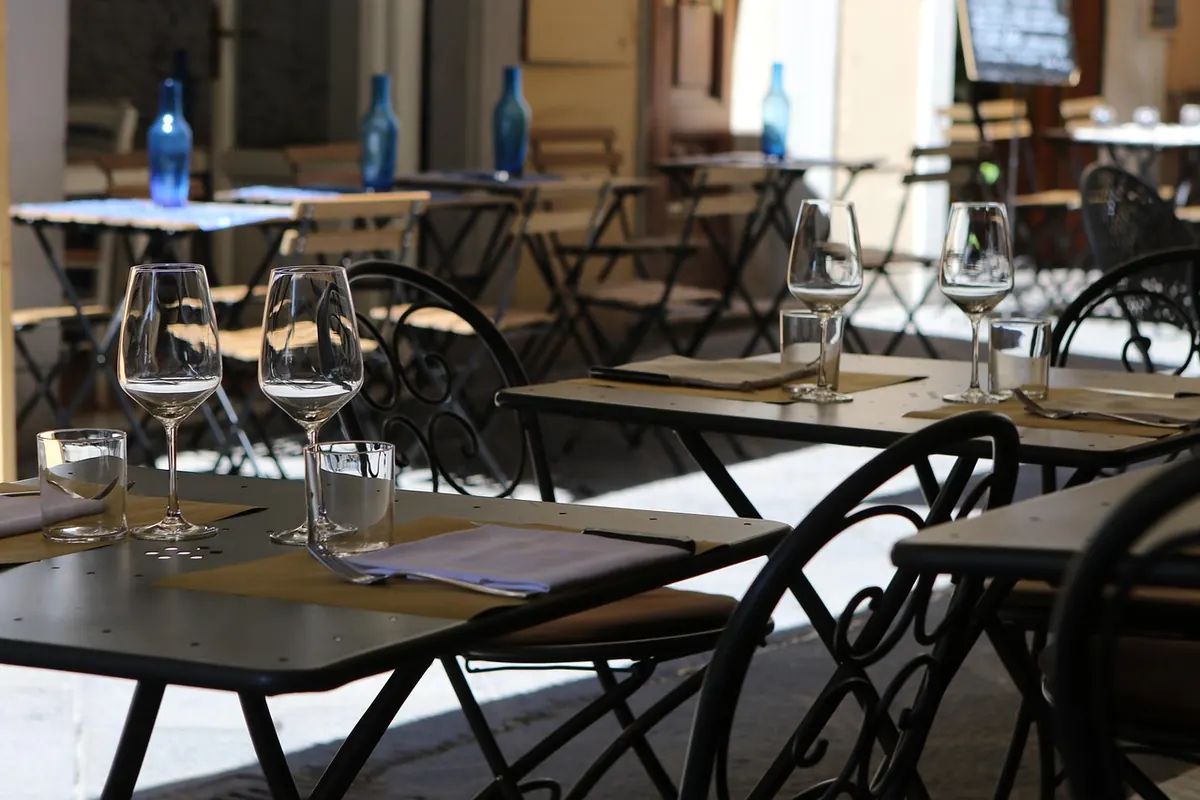
There is a particular moment at a seaside trattoria. The tables are set with paper cloths, the menu is handwritten and slightly smudged, and the waiter is already halfway through reciting the day's specials before you have opened it. Everyone at the table turns to you. You do not need fluent Italian to handle that moment. You need about a dozen phrases, used in the right order, and a feel for how the meal is put together. What follows is not a language lesson. It is a practical guide to getting seated, ordering well and leaving on good terms, written for people who would rather eat like a regular than point at the next table.
Getting the Table Before the Menu
Coastal trattorias fill early, and in July and August many run two sittings at dinner. If there is a place you have your eye on, stop by mid-morning or call after breakfast. You do not need a perfect sentence, just a time and a number: “Per stasera, per quattro persone, alle otto.” Broken Italian with a clear time in it gets the job done.
At the door, “Un tavolo per due, per favore” covers most situations. If you would rather sit outside, ask “Possiamo sederci fuori?” If the room is full and you are willing to wait, “Quanto tempo?” is quicker and more polite than hovering. Say how many you are with “Siamo in due” or “Siamo in quattro.”
One timing note worth knowing: many coastal kitchens close in the mid-afternoon and reopen in the evening. A late-afternoon arrival at 16:00 often finds a dark dining room and chairs stacked on tables, so check the hours before you build your day around a long lunch.
The Menu, Decoded by Course
An Italian menu reads as a sequence, not a list of alternatives. Understanding the order is more useful than translating every dish, because it tells you how much food is coming and in what shape.
- Antipasto — a small starter, often seafood, cured fish or grilled vegetables. Easy to share.
- Primo — pasta, risotto or soup. This is the course visitors most often underestimate; a plate of spaghetti alle vongole is a meal, not a preamble.
- Secondo — fish or meat, usually plated on its own, with nothing on the side unless you order it.
- Contorno — vegetables or salad, ordered separately and eaten alongside the secondo.
- Dolce — dessert. A small glass of something local may appear afterwards without your asking.
A normal full meal is one primo and one secondo per person, with a contorno or two for the table. A primo on its own makes a perfectly respectable lunch. Two useful terms to recognise: menù del giorno, the day's fixed menu and often the best value at midday, and coperto, a small per-person cover charge listed on the menu that covers bread and table service. It is standard practice, not a trick played on tourists.
How to Ask What Is Actually Good
This is the single most valuable phrase in the guide. “Che cosa mi consiglia?” is the polite form; “Cosa mi consigli?” is fine if the waiter is young, or if you have been chatting for ten minutes. Ask it while looking at the menu, not at your phone.
Then narrow it down. “Cosa è di giornata?” asks what came in fresh that day. “Il pescato di oggi qual è?” points the same question at the fish. On the coast, that is usually the answer you want.
“Che cosa mi consiglia?” — What do you recommend?
“Cosa è di giornata?” — What is fresh today?
“Può ripetere, più lentamente, per favore?” — Could you repeat that, more slowly, please?
If the specials went past at speed, ask for them again. Nobody in a family-run kitchen minds repeating, and it is far better than ordering blind. One practical detail: in many coastal places fish is priced by weight and brought whole to the table before cooking. That is your moment to judge whether it is the right size for the table. If it looks like too much, say so then, not when the bill arrives.
Water, Wine and the House Pour
The first question is often not about food at all. “Acqua frizzante o naturale?” means sparkling or still, and one word answers it. Expect bottled water rather than a jug from the tap. If you want a carafe rather than a bottle, ask for “una caraffa d'acqua.”
On wine, the house pour is the local habit and rarely a compromise. “Un quarto di vino della casa” gets you a quarter-litre carafe; “mezzo litro” gets you half a litre; specify bianco or rosso if it is not offered. Alone at lunch, “un bicchiere di bianco” is enough. The wine list exists, but at a trattoria the carafe is usually the honest choice.
At the end, “un caffè” means espresso. A cappuccino after a plate of clams will earn you a raised eyebrow rather than a refusal, but the local rhythm is coffee after the meal, milky coffee in the morning.
Small Adjustments, Politely Made
Italian kitchens are generally accommodating if you ask clearly and attach “per favore.” For pasta, “al dente” is the default; if you prefer it softer, ask for “un po' più cotto.” “Senza aglio” means no garlic, “poco sale” means easy on the salt, “non troppo piccante” asks them to hold back on the chilli.
For allergies, be direct and early: “Sono allergico a...” or “Sono allergica a...” depending on who is speaking. Small kitchens work with limited space and shared equipment, so if the allergy is serious, say so plainly at the start and carry the details written in Italian on a card. A phrase alone is not a guarantee, and it is worth treating this as a conversation rather than a transaction.
When you are ready to order, catch the waiter's eye and say “Siamo pronti” or “Possiamo ordinare?” Waiting quietly with a closed menu is read as indecision, not politeness. If a half portion would suit a child, “Mezza porzione è possibile?” costs nothing to ask; some kitchens say yes, others do not.
The Bill, and the Small Matter of the Tip
“Il conto, per favore” is all you need, and it is normal to ask rather than wait. If you are paying by card, check first with “Possiamo pagare con la carta?” — most seaside places take cards now, but smaller family-run kitchens sometimes prefer cash. Splitting is not universal: “Possiamo pagare separatamente?” is worth asking, and “alla romana” means dividing the total equally, which is often the easier request.
On tipping, there is no obligation and no expectation of an American percentage. Rounding up, or leaving a few euros for good service, is a warm gesture that lands well. The coperto on the bill is not a tip and does not replace one.
Before you go, use the phrase that costs nothing and is remembered: “Era tutto buonissimo, grazie.”
A Pocket Cheat Sheet
Keep these six within reach and the meal runs itself:
- Un tavolo per due, per favore. — A table for two, please.
- Che cosa mi consiglia? — What do you recommend?
- Cosa è di giornata? — What is fresh today?
- Un quarto di vino della casa, bianco. — A quarter-litre of house white.
- Siamo pronti. — We are ready to order.
- Il conto, per favore. — The bill, please.
Say them with a smile, accept the recommendation when it sounds like the catch of the day, and take your time. That, more than any phrase, is what ordering like a local actually looks like.
Photo: onkelglocke / Pixabay